43 examples of nutrient claims on food labels
Factual Food Labels: Health Claims The terms that are used in this type of label is "free," "reduced," "high," and "low." These type of claims are only applicable to nutrients that have a % daily value established such as saturated fat, added sugars, and vitamins and minerals. An example of this type of claim is "low/less sugar." Looking at labels - British Nutrition Foundation Here is an example of what you may see on a food label: Ingredients. ... Health claims on food labels are not allowed to state that the food can prevent, treat or cure any disease or medical condition, neither are they allowed to make reference to a rate or amount of weight loss. ... Other information on food labels. As well as nutritional ...
Nutrient content claim examples - Nutrient content claims: reference ... Therefore, the claim is acceptable. Nutrient content claim example - fibre claims Example - High source of fibre. The following claim appears on a box of 6 muffins: "High source of wheat bran and oat bran". Each muffin contains 1.5 g of fibre from wheat bran and 3.5 g of fibre from oat bran per serving of stated size of 90 g.
Examples of nutrient claims on food labels
Nutrition labelling | Food Standards Agency When providing nutrition information, you are required to declare: energy value. amounts of fat, saturates, carbohydrate, sugars, protein and salt. The content of the mandatory nutrition declaration can be supplemented with an indication of the amounts of one or more of the following: monounsaturates. polyunsaturates. Introduction to Food Product Claims — FDA Reader Examples of a Structure/Function Claim: "Calcium builds strong bones". "Fiber maintains bowel regularity". "Antioxidants maintain cell integrity". Conventional food producers do not need to notify the FDA about structure/function claims or make disclaimers associated with these claims on their product labels. Nutrient Claims on Food Labels | Home & Garden Information Center The NLEA permits the use of label claims that describe the level of a nutrient in a food ...
Examples of nutrient claims on food labels. Nutrition and Labelling | CODEXALIMENTARIUS FAO-WHO Codex provides guidance on the compositional requirements of foods so that they are nutritionally safe. Codex also provides guidance on general labelling of foods and the health or nutrient claims producers make on labels, with terms such as "low fat", "high fat" etc. Codex guidance ensures that consumers understand what they are buying and that "it is what it says it is". Decoding the Nutrition Label: Health Claims and Nutrient ... - Unlock Food A nutrient content claim is a statement about the amount of a nutrient found in a food. Nutrient content claims help you to consume more or less of a certain nutrient. They must be true and accurate just like health claims. Choosing foods with nutrient content claims will help you get more of certain nutrients like calcium and fibre and less of other nutrients like sodium and sugar. Nutrition claims - Canada.ca These claims are optional and may be found on some food products. Nutrient content claims describe the amount of a nutrient in a food. A good source of iron is an example of a nutrient content claim. Health claims are statements about the helpful effects of a certain food consumed within a healthy diet on a person's health. Nutrition content claims and health claims - Food Standards General level health claims are about a nutrient or substance in a food, or the food itself, and its effect on health. For example: 'calcium for healthy bones and teeth'. These claims are either based on one of the more than 200 pre-approved food-health relationships in the Standard, or a food-health relationship self-substantiated by the food business using the scientific method set out in the Standard.
Food Packaging Claims | American Heart Association If a food claims to be …. It means that one serving* contains …. Fat free. Less than 0.5 g fat and no ingredient that is fat. Low fat. 3 g of fat or less (and not more than 30% of calories from fat for meals and main dishes) Reduced fat or less fat. At least 25% less fat than the regular product. Low in saturated fat. Food Label Claims: What You Can and Can't Trust - WebMD For example, a label could say that getting enough calcium throughout your life, and having a balanced diet, may lower your chances of getting osteoporosis. Structure/function claims. These... Food labels - Better Health Channel Nutrition claims on food labels. Don't be misled, terms used by manufacturers are often misleading. For example: The term 'light' or 'lite' doesn't necessarily mean that the product is low in fat or energy (kilojoules).The term 'light' may refer to the texture, colour or taste of the product. Food labelling and packaging: Nutrition, health claims and ... - GOV.UK You have to follow certain rules if you want to make a nutrition claim (for example, low fat) or a health claim (for example, calcium helps maintain normal bones). You cannot claim or imply that...
Baby Food Co. Must Face Claims Labels Violate FDA Rules The labels tout the products as having "3g of protein," "300mg omega-3 from chia ALA," and "4g of fiber," but the Davidsons claim the labels run afoul of FDA regulations that prohibit food ... Examples Of Nutrient Claims On Food Labels - Google Groups All groups and messages ... ... Label Claims for Food & Dietary Supplements | FDA Among the claims that can be used on food and dietary supplement labels are three categories of claims that are defined by statute and/or FDA regulations: health claims, nutrient content claims ... Nutrition and health claims - Business Companion The amount of food that can reasonably be expected to be consumed provides a significant amount or, if no significant amount has been set, enough for the person eating the food to get the benefit being claimed. 5. The claim can only be made if the average consumer can be expected to understand it. 6.
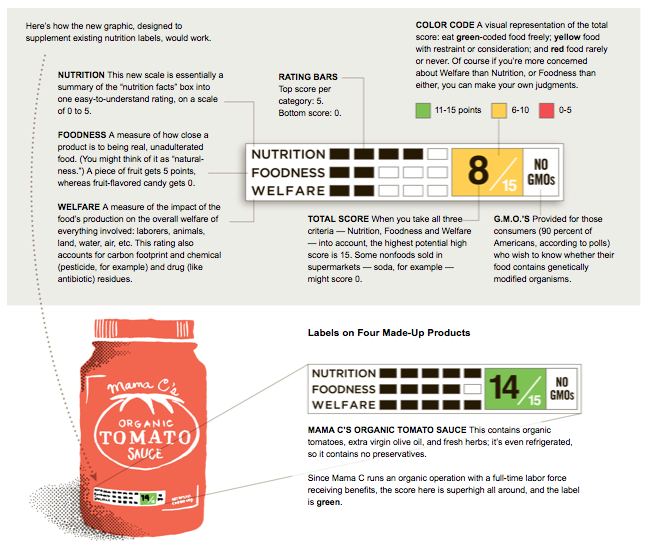
Food+Tech Connect Nutrition Label of Tomorrow: Tech or New Graphic? | Food+Tech Connect
Nutrient Claims on Food Labels - Food Smart Colorado Nutrient content claims describe a food and the level of a particular nutrient in that food. "Low fat" and "High fiber" are both examples of nutrient content claims. These types of claims usually appear on the front of a package and are regulated by the Food and Drug Administration (FDA).
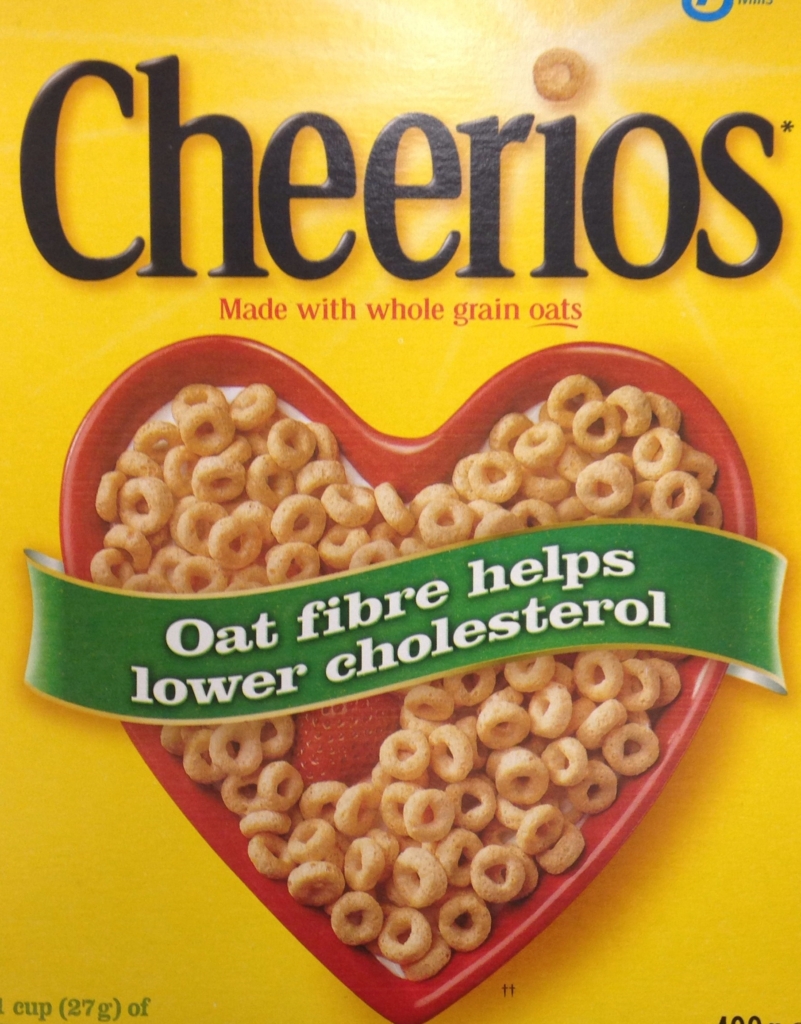
Nutrition Labelling and Marketing in Canada - Research Program for Nutrition Policy and ...
Understanding Food Labels and Health Claims - Nutrition Essentials This label is called a Nutrition Facts panel, which gives information on the number of servings per container, the number of calories per serving, and certain nutrients. Specifically, it lists the macronutrients and four of the most important micronutrients people need to pay special attention to, such as Vitamin D, Calcium, Iron, and potassium.
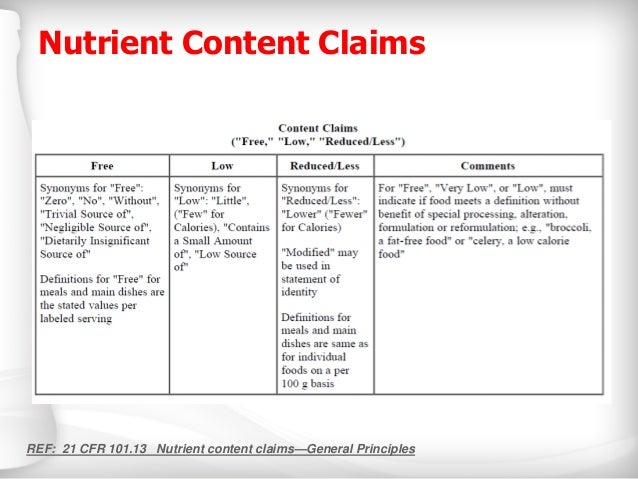
Nutrition and Health Claim - FINAL_Jul2012
Nutrition and Health Claims in Food Labelling | Eufic Nutrition claims, which state, suggest or imply that a food has particular beneficial properties due to its composition (regarding energy or a particular nutrient). Examples of this type of claim will be: 'source of', 'free of', 'high', 'low' or 'reduced' in calories or a particular nutrient.

28 Food Label Health Claims - Labels Ideas For You
What are Nutrient Content Claims on food labels ... - Nutritionist Pro™ Some examples of nutrient content claims are sugar-free, lean, light, and many other terms. Some Nutrient claims are about the content of certain nutrients and may state that the product is low in fat or a good source of calcium. ... Nutrient Content Claims on Food Labels. It is difficult not to become confused when reading food labels, and ...
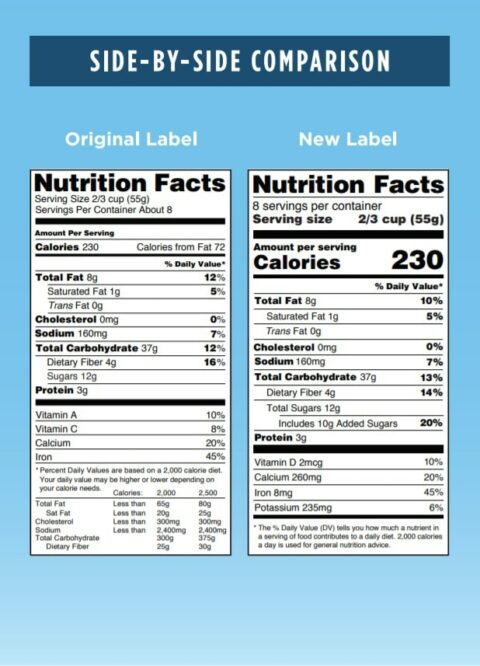
Nutrition Facts Get an Upgrade? - Articles - Health Loft
Implied nutrient content claims - Making a nutrient content claim on ... Examples of Acceptable Implied Claims - (when all above requirements are met) Implied Claim Immediately Preceded or Followed By: Omega-3: source of omega-3 polyunsaturates: non-hydrogenated: free of trans fatty acids: no tropical oils Table Note 1: free of saturated fatty acids: energy shake: source of energy: fibre bar: source of fibre: semi-salted

How to understand nutritional food labels
Label Claims for Conventional Foods and Dietary Supplements Examples include simple percentage statements such as "40% omega-3 fatty acids, 10 mg per capsule," and comparative percentage claims, e.g., "twice the omega-3 fatty acids per capsule (80 mg) as in...
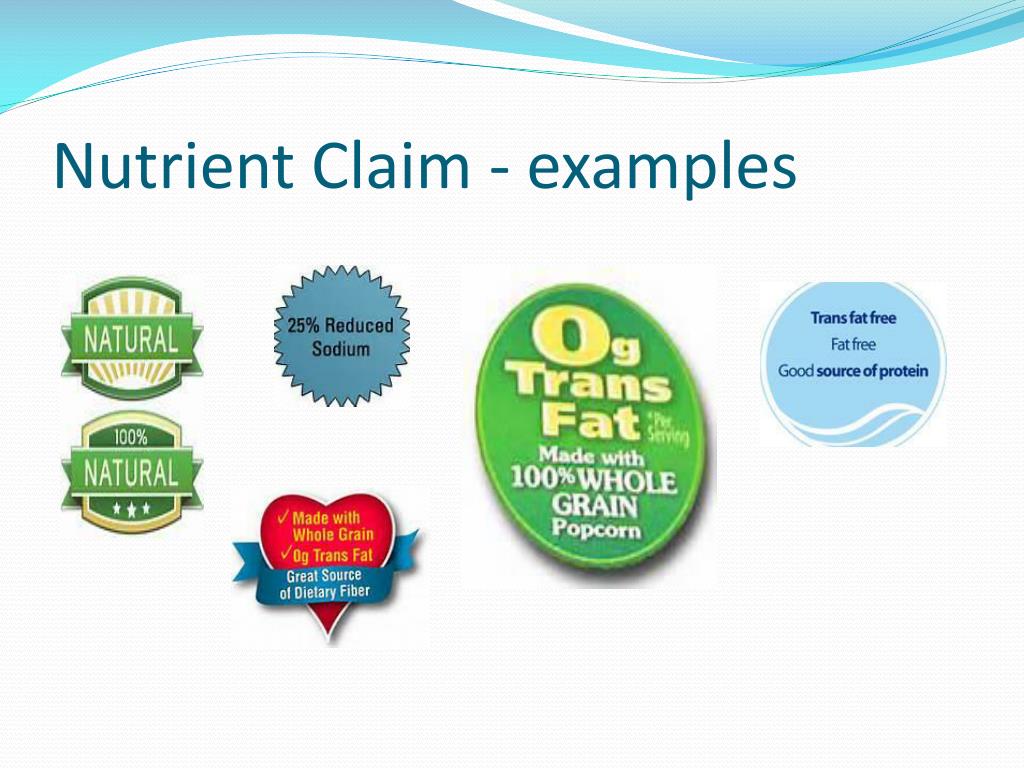
PPT - Food labels PowerPoint Presentation - ID:1637816
Nutrition, health and related claims - Food Standards Food businesses wanting to make a general level health claim can base a claim on one of the more than 200 pre-approved food-health relationships in the Standard or self-substantiate a food-health relationship by following the process for systematic review in Schedule 6 of the Code. Self-substantiating a food-health relationship

Pin by SE VIEW on Healthy Eating & Drinking | Pinterest
The 13 Most Misleading Food Label Claims "Low calorie" labeled foods or beverages, most likely contain sucralose, acesulfame potassium, saccharin, aspartame, or other chemical sweeteners. The presence of such chemical sweeteners is almost ubiquitous on foods sporting the "low calorie" label. "Low calorie" does not mean it's healthier.
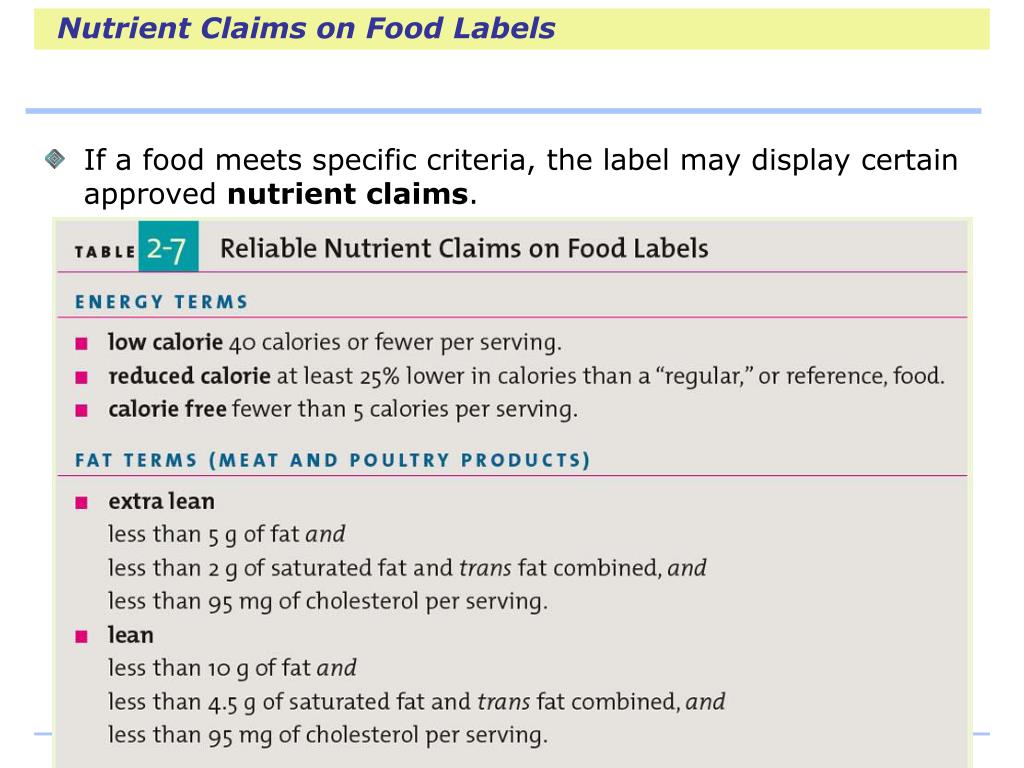
PPT - Chapter 2: Nutrition Tools – Standards and Guidelines PowerPoint Presentation - ID:3940076
Nutrition and health claims on labels and in food advertising Most of the permitted health claims relate to a specific ingredient or nutrient; some claims relate to a food, for example "dried plums contribute to normal bowel function" or "sugar-free chewing...

Food Labels: Nutritional Claims On Food Labels
Questions and Answers on Health Claims in Food Labeling An example of a qualified health claim is, "Scientific evidence suggests, but does not prove, that whole grains (three servings or 48 grams per day), as part of a low saturated fat, low cholesterol...
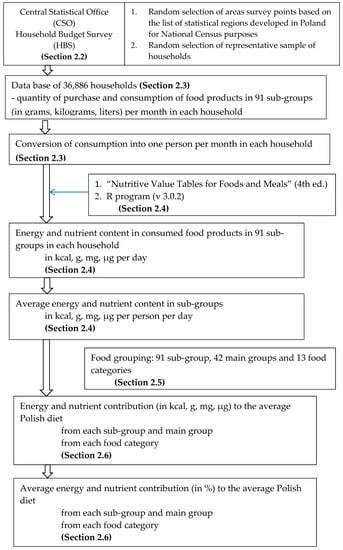
34 Which Part Of A Food Label Is The Primary Tool For Determining The Healthfulness Of The ...
Nutrient Claims on Food Labels | Home & Garden Information Center The NLEA permits the use of label claims that describe the level of a nutrient in a food ...
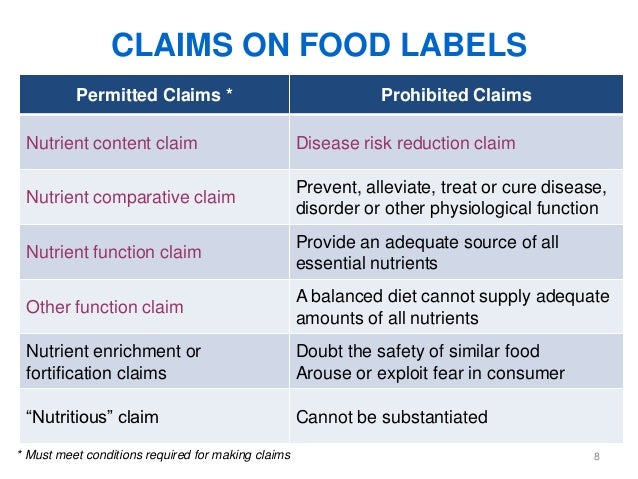
Nutrition Labeling & Claims Malaysia 2012
Introduction to Food Product Claims — FDA Reader Examples of a Structure/Function Claim: "Calcium builds strong bones". "Fiber maintains bowel regularity". "Antioxidants maintain cell integrity". Conventional food producers do not need to notify the FDA about structure/function claims or make disclaimers associated with these claims on their product labels.

Consumer Savvy: Reading Food Labels to Make Better Choices – Body Pep Talk
Nutrition labelling | Food Standards Agency When providing nutrition information, you are required to declare: energy value. amounts of fat, saturates, carbohydrate, sugars, protein and salt. The content of the mandatory nutrition declaration can be supplemented with an indication of the amounts of one or more of the following: monounsaturates. polyunsaturates.
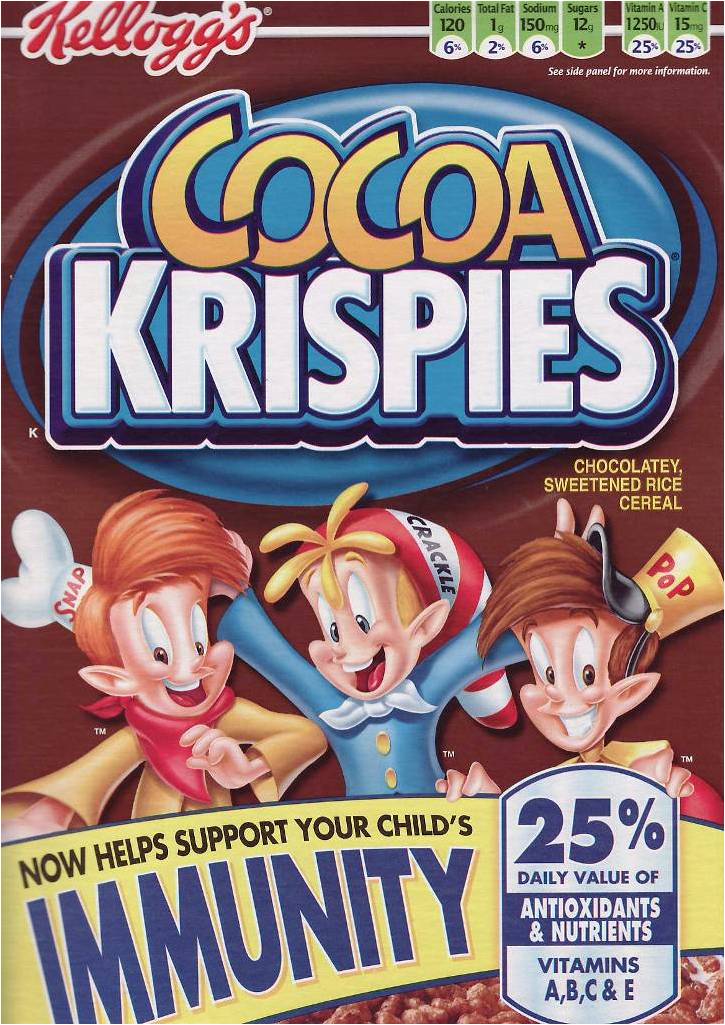
Food Politics by Marion Nestle » Kellogg’s withdraws IMMUNITY claim!

Top 10 Misleading "Healthy" Food Labels To Watch Out For
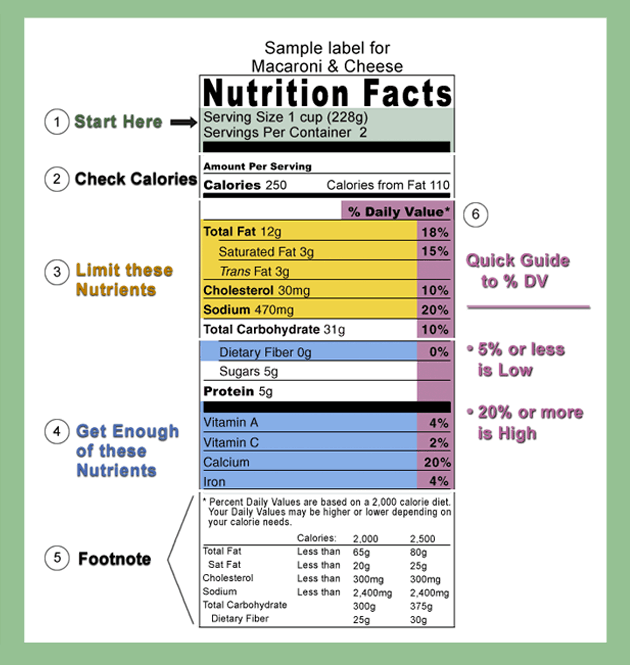
Why It Matters

Nutrition

10 Things You Should Know About Nutrients - Food and Health Communications
Post a Comment for "43 examples of nutrient claims on food labels"