45 reading labels for sodium
Sodium & Your Heart Health: How To Read Nutrition Facts On ... Food can be considered low-sodium if the total sodium content is 140mg or less and is based on serving size. Overindulging on the portions with a low-sodium food can potentially be just as detrimental as eating a food that's high in salt. Additionally, people shopping for low-sodium foods should opt for packaging that features a 5% DV or lower. Chemical Ingredients 101: How to Read a Product Label Updated March 21, 2022. Ingredient labels for food and other products we use daily often include unfamiliar chemical names. For example, sodium chloride and sodium hydrogen carbonate are often listed on a product label for salt and baking soda. Why are ingredient labels so complex?
How to Understand and Use the Nutrition Facts Label | FDA Saturated fat, sodium, and added sugars are nutrients listed on the label that may be associated with adverse health effects - and Americans generally consume too much of them, according to the...
Reading labels for sodium
How to Read a Nutrition Facts Label | Everyday Health Lower sodium limit Food labels reflect the new, slightly lower RDA of 2,300 milligrams (mg) per day (down from 2,400 mg per day). How to Read a Nutrition Facts Label First, know that, as the label... How To Read Food and Beverage Labels | National Institute ... Most older adults exceed the recommended limits for saturated fats, sodium, and added sugars. Compare and choose foods to get less than 100% DV of these each day, making sure to adjust for how many calories are in your diet. Additionally, many older adults do not get the recommended amounts of dietary fiber, vitamin D, calcium, and potassium. How to Read Japanese Nutrition Labels - JapanLivingGuide ... Doctors recommend avoiding food high in salt, or sodium (ナトリウム, natoriumu ), since they can cause raised blood pressure and increase the risk of heart disease. Both adults and children should consume high-salt foods only in small amounts or occasionally. Calcium
Reading labels for sodium. The nurse knows her instructions about reading labels for ... The nurse knows her instructions about reading labels forsodium information have been effective when the client verbalizes a. "Foods labeled as 'no salt added' are sodium free." b. "The %DV on the 'Nutrition Facts' labels is based on thecurrent adult AI of 1500 mg Na." c. Reading Food Labels - What You Need to Know Reading labels may help you get enough of the nutrients you need each day to be healthy. Reading labels may also help you to eat less of the nutrients that could cause health problems. Eating too much fat, saturated (SACH-er-ay-ted) fat, trans fat, cholesterol (koh-LES-ter-ol) and sodium may increase your risk for certain health problems. Learn How the Nutrition Facts Label Can Help You Improve ... Most sodium we consume is from salt, and salt is commonly in processed foods. Read labels and choose the product with less sodium. Drink plain water instead of sugary beverages. Read the product's Nutrition Facts label and rethink your drink. Limit the serving size of the treats. If you are going to have dessert, keep it small. Whole30 101: Label-Reading - The Whole30® Program The more familiar you are with what's off-limits, the easier it will be for you to read a label—any "label," whether it's a grocery store product, a Pinterest recipe, or a restaurant menu—with ease. Step 2: Read the Allergy Warning Most people pick up a product and start reading the ingredients one-by-one.
How To Read a Nutrition Label - Breaking Down the Sections ... Why Reading Nutrition Labels Is Important . ... Sodium: Consuming too much sodium or salt may increase your risk for high blood pressure. Monitor your intake of processed foods and look for low sodium foods that contain 140 mg or less per serving. The goal is less than 2300 mg/day. Label reading 101 - Healthy Food Guide Label reading cheat sheet. For any packaged food product you choose, the health guidelines to aim for are: Less than 10g fat per 100g; Less than 15g sugar per 100g; Less than 120mg sodium per 100g; What about the Health Star Rating? This Australian government health initiative ranks products on a scale from half a star to five stars. Sodium Infographics | cdc.gov Read nutrition labels to find the lowest sodium options. A bowl of regular chicken noodle soup can have 840 milligrams of sodium, but lower sodium chicken noodle soup can have 360 milligrams. More than 75% of the sodium we eat comes from foods prepared in restaurants and processed foods (not from the salt shaker). Reading food labels: Tips if you have diabetes - Mayo Clinic Look for foods with fats, cholesterol and sodium on the low end of the Daily Value; keep fiber, vitamins and minerals on the high end. If your doctor or registered dietitian recommends more or less than 2,000 calories a day, you may need to adjust the percentage accordingly — or simply use the percentage as a general frame of reference.
Understanding of Sodium Information on US Nutrition Labels I check nutrition labels for sodium as a tactic to lower salt in my diet. Do you or the person who shops for your food buy items that are labeled "low salt" or "low sodium." Agree, %(95% CI) b Sodium on the Nutrition Facts Label - FDA FDA's Education Materials Sodium in Your Diet Fact Sheet A printable backgrounder that offers the basics on sodium's health effects, easy how-to's for using the Nutrition Facts label to reduce... Reading Food Packages and Nutrition Labels: Tips for Savvy ... Sodium The USDA has set 2,300 mg as the upper safe limit for daily sodium intake. If you eat only meals like the ones on our recipe pages, with almost no added salt, you'll still easily get adequate sodium from whole plant foods. Food Label Reading - What You Need to Know Sodium-free means the food has less than 5mg of sodium per serving. Percent Fat-Free: This tells the portion of the food that is made up of fat-free ingredients. This is measured by weight and is different from percent of calories from fat. If a 100g serving of a food contains 5g total fat, the label can say it is 95% fat-free.
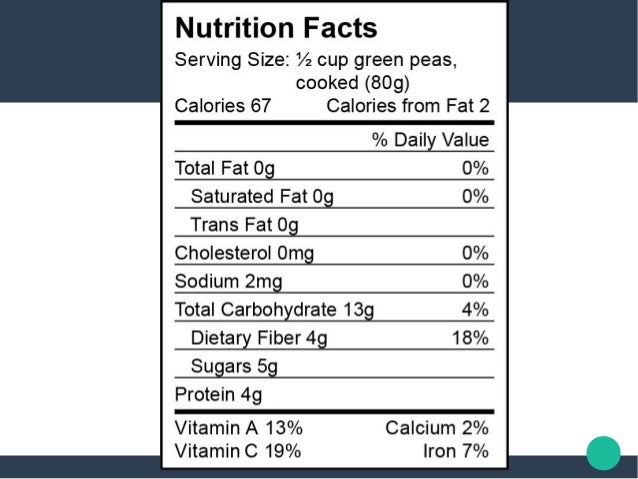
34 Frozen Peas Nutrition Label - Labels Database 2020
The Basics of the Nutrition Facts Label The following is a quick guide to reading the Nutrition Facts label. Step 1: Start with the Serving Size Look here for both the serving size (the amount people typically eat at one time) and the number of servings in the package. Compare your portion size (the amount you actually eat) to the serving size listed on the panel.

Living with low-sodium daily
3 Ways to Improve Your Food Label Literacy | Blogs | CDC Knowing how to read food labels is a practical skill that can help you avoid food allergens, reduce sodium and sugar in your diet, reduce food waste, and better manage your emergency food supply. Here are three ways you can improve your food label literacy. Learn to Identify Allergens. Food allergies affect millions of Americans and their families.

5 Surprising Sources of Sodium
Reading Food Nutrition Labels 101 And How To Decode Them The manufacturers call it sodium, but everyone knows it is plain old salt. Limit the high sodium foods you eat, aiming for a daily intake of 2400 milligrams or less. Sodium-free - less than 5 milligrams per serving Low sodium - 140 milligrams or less per serving Reduced sodium - at least 25% less sodium than the original version
How-To Guide for Reading Food Labels
How to Read a Nutrition Label, According to Registered ... When learning how to read a nutrition label and doing so going forward, you'll typically want to look for a higher %DV for dietary fiber, vitamin D, calcium, iron, and potassium — nutrients that Americans generally don't consume enough of, according to the FDA.

Isolated System: Chemistry practical readings class 9th.
How to Read Drug Labels - WebMD Directions. 5 / 7. Check this part carefully. It tells you how much of the drug to take and how often to take it, called the dosage. For example, it may say to take two tablets every 4 to 6 hours ...

How to read a nutrition label like a dietitian | Toronto Star
How To Understand Nutrition Labels - CCGPN.org Sodium Most Americans consume too much salt. You should restrict your daily sodium intake to less than 2,300mg (about one teaspoon). You can cut your sodium intake down by eating low-sodium versions of canned soups, frozen meals, and frozen snacks. Avoid salt as much as possible; it can cause high blood pressure, cholesterol, or atherosclerosis.

Strengthen the immune system - www.BestHealthDecision.com
Hot Topics: How Much Sodium Is Safe for Kidney Patients? Reading food labels Dr. Prest and Chef Sunwold speak in-depth on the importance of understanding and reading food labels . In general, kidney patients should look for products with no more than 6 to 10% of the daily value for sodium.
Post a Comment for "45 reading labels for sodium"